
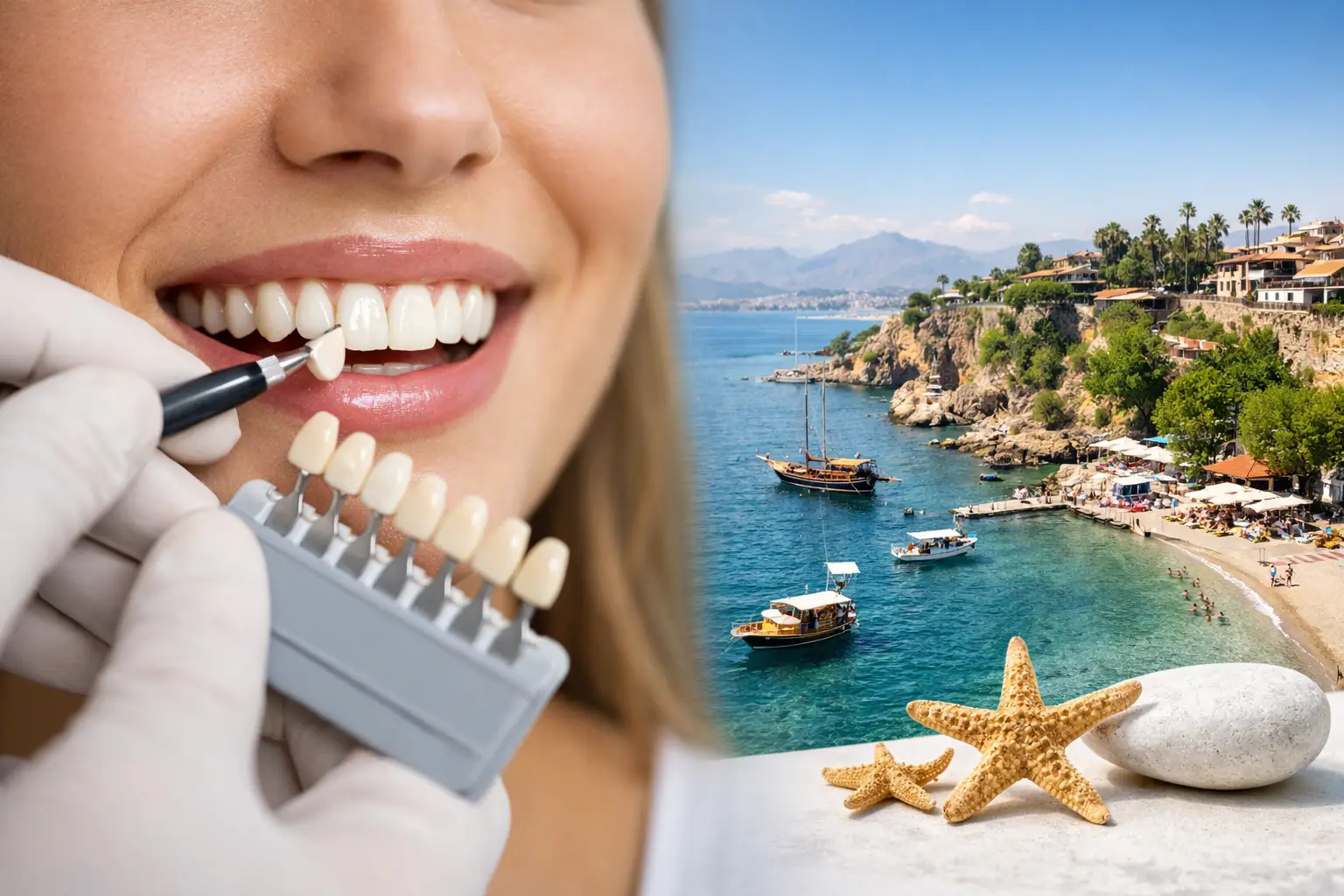
If a clinic is pushing a full smile makeover with same-day composite bonding Turkey packages before it has even seen proper photos, slow down. Composite bonding can be a very good treatment, but it is also one of the most oversold cosmetic procedures in Turkish dental tourism. I have seen it marketed as a cheap shortcut to veneers, and that is where patients get caught out.
What composite bonding in Turkey actually is
Composite bonding is a cosmetic treatment where a dentist applies tooth-coloured resin to the surface of a tooth, shapes it by hand, then hardens and polishes it. It is commonly used to close small gaps, repair chips, improve tooth shape, and make uneven edges look tidier.
The big attraction is obvious. It is usually less invasive than veneers because little or no natural tooth structure needs to be removed. It can often be done in one visit, and if the dentist is skilled, the result can look natural rather than overly white and blocky.
That said, bonding is technique-sensitive. The material itself is not the hard part. The hard part is diagnosis, smile design, shade matching, layering, and finishing it properly. A rushed dentist can make bonding look flat, bulky, or oddly opaque very quickly.
Why people look at composite bonding Turkey options
For many patients from the UK and Ireland, the appeal is price. In Britain, composite bonding is often quoted per tooth and can become expensive fast if you want several front teeth treated. Turkey usually comes in lower, even after flights and a hotel are factored in.
There is also a second appeal that clinics know how to sell – speed. Patients want a cosmetic improvement on a short trip. Bonding fits that model better than orthodontics, and it feels less drastic than crowns or veneers.
But this is where I would be careful. Cheap and quick are not the same as good value. Composite bonding works best in selected cases. If your bite is unstable, you grind your teeth, your teeth are crowded, or the colour mismatch is significant, bonding may not be the right fix. Some clinics still sell it because it is easy to market.
Composite bonding Turkey prices
In Turkey, composite bonding is usually priced per tooth. A realistic range is often around £80 to £180 per tooth, depending on the clinic, the city, the dentist’s experience, and whether you are seeing a general dentist or a cosmetic specialist.
If you are quoted dramatically less than that, I would want to know exactly what is being offered. Is it proper layered composite, individually shaped and polished, or is it a very basic add-on done at speed? There is a huge difference between careful cosmetic bonding and what is essentially a budget patch-up sold as a smile design treatment.
If you are quoted far more, ask why. Sometimes the answer is experience and better materials. Sometimes it is just branding, influencer marketing, and a clinic that has learned international patients equate price with quality.
A full set of front teeth can still look attractive on paper compared with UK fees. But do not compare the cheapest Turkish quote against the best British cosmetic dentist and assume you are looking at like-for-like treatment. Often you are not.
How long composite bonding lasts
This is the question clinics tend to answer badly. Composite bonding is not permanent. Anyone describing it that way is being careless.
A fair expectation is around 4 to 7 years for cosmetic bonding, sometimes longer with excellent maintenance and a favourable bite. Small edge bonding or repairs may last less. Heavy grinders, smokers, and patients who bite nails or open packets with their teeth tend to get shorter lifespans.
Bonding can stain, chip, lose polish, and need maintenance. It is repairable, which is one of its advantages, but repairs are not always invisible, especially if done by a different dentist years later. This matters if you live in Manchester or Dublin and had the original work done in Istanbul or Antalya.
When I think bonding is a good choice
Bonding makes sense when the changes needed are modest. Think small gaps, uneven incisal edges, minor wear, peg-shaped lateral incisors, or one or two teeth that need improving without touching everything else.
It can also be a sensible option for younger patients who are not ideal veneer candidates yet, or for anyone who wants to stay conservative and preserve enamel.
Where it becomes more questionable is the social media version of bonding – eight, ten, or twelve heavily built-up front teeth to create a completely new smile shape and shade. Can it be done? Yes. Would I automatically recommend flying abroad for that? No. The maintenance burden rises, and the line between bonding and a more durable restorative approach becomes blurrier.
The main risks patients miss
The first risk is not the material. It is poor case selection. If your teeth really need orthodontics, whitening, gum work, or bite correction first, bonding alone may be a cosmetic plaster over a deeper problem.
The second risk is overbuilding. Some dentists make bonding too thick in pursuit of a dramatic before-and-after result. It photographs well on day one and feels strange in real life. Speech can be affected, flossing can become awkward, and the teeth can look unnaturally large.
The third risk is no long-term plan. I think this is a weak spot in some Turkish clinics. They focus on treatment day, not on who will maintain the work after you go home. Bonding is repairable, but not every local dentist wants to take over a cosmetic case started abroad.
A final risk is being steered towards veneers or crowns when you only asked about bonding. This happens more than clinics admit. Bonding has lower margins and takes artistic skill. Some clinics would rather prepare teeth for restorative work because it is more profitable and easier to standardise.
How to choose a clinic for composite bonding in Turkey
I would not choose a bonding clinic based on airport transfers, hotel packages, or a receptionist sending glossy smile photos on WhatsApp. For this treatment, the dentist matters more than the package.
Look for close-up examples in natural light, not just polished videos. Ask whether the dentist doing the work has a cosmetic focus and whether the results shown are actually composite bonding rather than veneers. You would be surprised how often clinics blur that line.
Ask what happens if the dentist thinks bonding is not suitable. A good answer is a cautious one. If a clinic says everyone is a candidate after seeing two selfies, that is a red flag.
You should also ask how many teeth they recommend treating and why. Conservative planning is usually a better sign than upselling a full arch for symmetry. Symmetry matters, but so does restraint.
Travel reality and aftercare
Bonding is one of the easier cosmetic treatments to fit into a short trip. Many cases can be done over one or two appointments in a few days. That is the upside.
The downside is review and adjustment time. A careful dentist may want to assess how your bite settles, make refinements, or review polish and shape after the first placement. If you fly home immediately, you lose some of that safety net.
This is why I often tell readers to leave a small buffer in their travel plan rather than booking the absolute minimum stay. It gives room for minor corrections without stress.
If you are still comparing options, Dental Guide Turkey exists for exactly this kind of research-first decision making, not impulse booking.
Is composite bonding Turkey worth it?
Sometimes, yes. If you have the right case, choose a genuinely skilled cosmetic dentist, and go in with realistic expectations, Turkey can offer good value for composite bonding. Lower prices do exist, and some dentists there do excellent conservative aesthetic work.
But I would not treat bonding as a bargain-bin smile makeover. It is not a magic fix, and it is not maintenance-free. If a clinic is selling it as permanent, suitable for everyone, or interchangeable with porcelain veneers, I would move on.
The best bonding work is usually subtle. It keeps your teeth looking like your teeth, just better balanced and better finished. If that is what you want, you are asking the right question. If you want a dramatic total transformation in 48 hours, you may be shopping for the wrong treatment.