
A missing tooth is not just a cosmetic problem. It changes how you chew, can allow neighbouring teeth to drift, and may gradually reduce bone in the jaw. Dental implants are often the closest thing dentistry has to replacing a natural tooth, but they are not a product you simply buy on a two-day trip abroad.
Turkey can offer substantial savings, particularly for patients paying private prices in the UK or Ireland. That does not make every package a bargain. I have seen clinics produce excellent implant work at fair prices, and I have seen others sell an impressive-looking ‘all-inclusive’ deal while skipping the diagnosis that determines whether the implant will last.
What dental implants actually involve
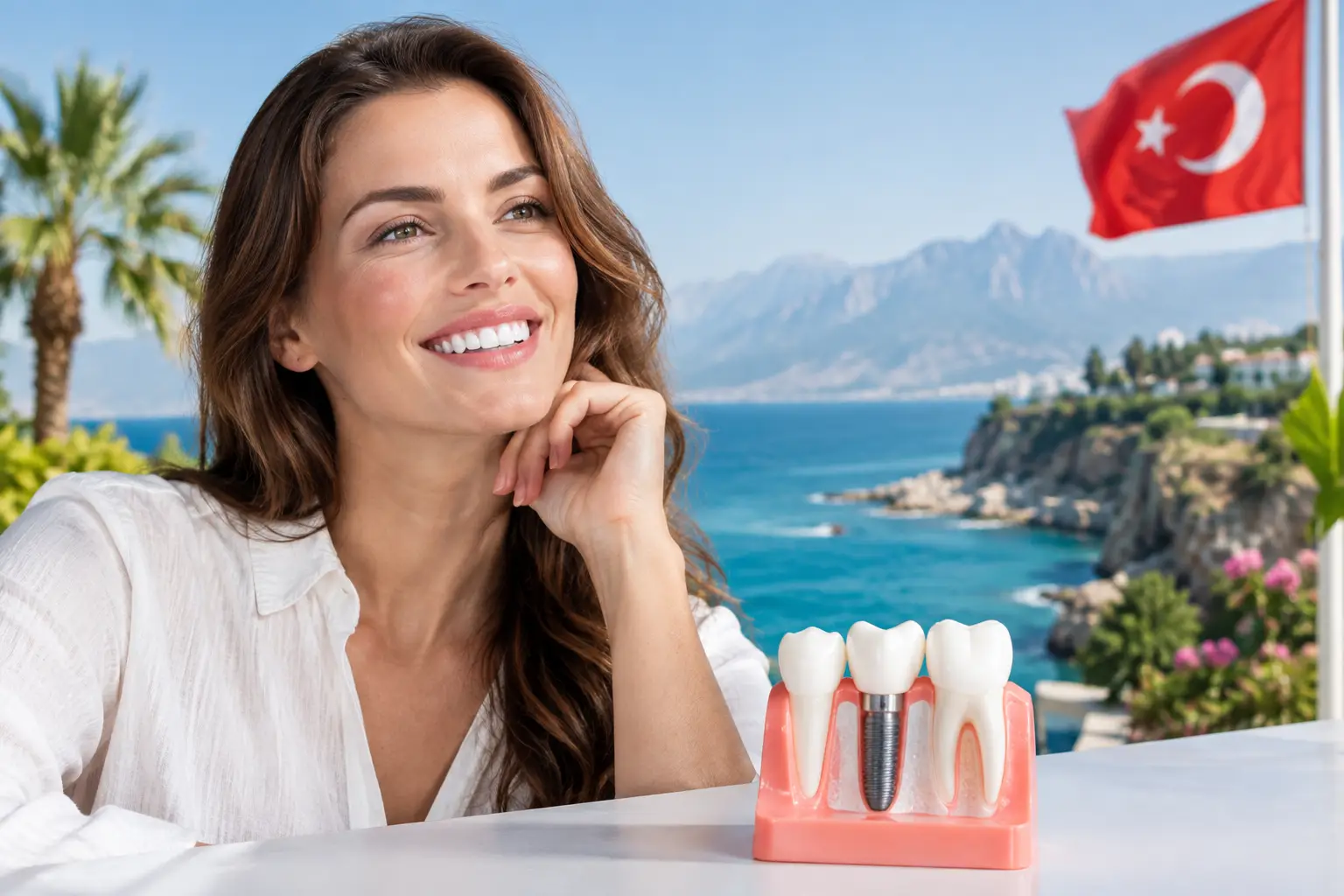
An implant is a small titanium or ceramic fixture placed into the jawbone. It replaces the root of the missing tooth. Once it has integrated with the bone, a connector called an abutment supports the final crown, bridge or denture.
That description sounds simple. The reality varies considerably. Replacing one back tooth in a healthy jaw is very different from rebuilding an entire upper arch in someone with gum disease, severe bone loss and several failing teeth. The treatment plan, clinical skill and aftercare needed are not remotely comparable.
For a straightforward single implant, there are normally three components to price and assess: the implant fixture, the abutment and the crown. If a clinic quotes an unusually low figure, ask whether all three are included. A cheap fixture price that excludes the crown, scans, medication and follow-up can stop looking cheap very quickly.
Why the Turkish price gap is real, but not the whole story
Lower overheads, labour costs and local operating costs mean Turkish clinics can charge less than many UK practices without automatically cutting standards. A single implant with a crown may commonly be quoted around £450 to £900 in Turkey, depending on the city, implant brand, crown material and complexity. In the UK, comparable private treatment often costs several thousand pounds.
Full-arch treatment is where the headline savings become more dramatic. Fixed full-mouth solutions can be priced from several thousand pounds per arch, but the range is wide because the number of implants, temporary teeth, grafting, sedation, final bridge material and clinical difficulty all matter.
I would be wary of anyone offering one fixed price before reviewing a proper CT scan. Bone quantity and quality cannot be judged reliably from a selfie, a panoramic X-ray alone or a WhatsApp message. A clinic that gives an estimate first is normal. A clinic that guarantees a final plan without adequate imaging is not being thorough.
The decision that matters most: are you a suitable candidate?
Most healthy adults with a missing tooth can be considered for implants, but suitability is not a tick-box exercise. The dentist needs to assess bone volume, gum health, bite forces, nearby nerves and sinuses, existing infections and your medical history.
Smoking, uncontrolled diabetes, active periodontitis and poor oral hygiene do not always rule implants out. They do increase risk. If a clinic brushes past these issues because it wants to keep the sale moving, I would not recommend proceeding.
Bone loss is especially relevant for people who have had missing teeth for years. You may need a bone graft, sinus lift in the upper jaw, or an alternative treatment plan. These procedures can be done well in Turkey, but they require more healing time and change what is realistic for a short visit.
There is also a point many marketing pages avoid: implants are not always the best answer. A sound tooth with a treatable root canal problem should not be extracted simply because an implant package is profitable. Keeping a healthy natural tooth is usually preferable when the prognosis is good.
Dental implants in Turkey: the two-visit reality
For conventional implants, the first visit usually involves scans, treatment planning, any necessary extractions, implant placement and a temporary tooth where appropriate. The implant then needs time to integrate with bone. That healing period is often three to six months, though individual cases differ.
The second visit is for the final abutment and crown or bridge. This is the biologically sensible route for many patients. It is less convenient than the ‘new teeth in five days’ promise, but convenience should not dictate the clinical timeline.
Immediate loading – fitting fixed temporary teeth soon after implants are placed – can be appropriate, particularly in carefully planned full-arch cases. It is not a magic shortcut for everyone. It depends on achieving strong initial implant stability, controlling bite forces and having enough suitable bone. Final teeth should not be rushed simply to fit a flight schedule.
If you are considering a single implant, expect to make two trips in many cases. Some clinics offer a local partner for the final crown, but that can introduce warranty and responsibility problems. Clarify exactly who is responsible if something does not fit or an implant fails to integrate.
How I would assess a clinic before booking
Start with the treating clinician, not the clinic’s Instagram account. You want to know who will plan the case, place the implant and fit the final restoration. Large clinics often have good systems, but they can also operate like production lines, with consultations handed between different people.
Ask for the implant brand and model in writing. Established systems such as Straumann, Nobel Biocare, Neodent, Osstem and Medentika have different price points, but they have documentation, established supply chains and components that dentists can source internationally. An obscure implant brand may be cheaper, yet it becomes a problem if you need a replacement screw or abutment at home years later.
I would also ask whether a CBCT scan is included, whether the plan has been reviewed by the implant surgeon, and what happens if grafting is needed after you arrive. Vague answers are a red flag. So is pressure to pay a large non-refundable deposit before you have a written treatment outline.
Look closely at the proposed final restoration. For a single tooth, ask whether the crown will be screw-retained or cemented. Screw-retained crowns are often easier to retrieve for maintenance, although case design matters. For full arches, ask about the framework, material, number of implants, provisionals and how the bite will be tested before the final bridge is made.
The complications no package advert explains
Even well-placed implants can fail to integrate. The risk is relatively low in suitable patients and experienced hands, but it is never zero. Infection, gum recession, loosening components, chipped ceramic and bite-related problems can also occur later.
A trustworthy clinic discusses these possibilities before treatment, not only after something goes wrong. Ask what its written guarantee covers, how long it lasts and whether it covers only the implant fixture or also the crown, laboratory work and clinical labour. A ‘lifetime warranty’ is meaningless if you must fly back at your own expense for every assessment.
Aftercare at home matters just as much. Implants cannot decay, but the tissues around them can become inflamed. Peri-implant disease can lead to bone loss and, eventually, implant failure. You still need daily cleaning between teeth, professional hygiene appointments and regular checks with a local dentist.
Do not let the price decide the plan
The best implant treatment is not the one with the largest advertised discount. It is the one based on proper imaging, a defendable plan, recognised components and enough time for healing. That may mean a second trip, an added grafting cost or accepting that a bridge is the more sensible option.
Before booking flights, get every component of the plan in writing and give yourself permission to walk away if the answers are evasive. A good clinic will not punish you for asking careful questions. It will expect them.