
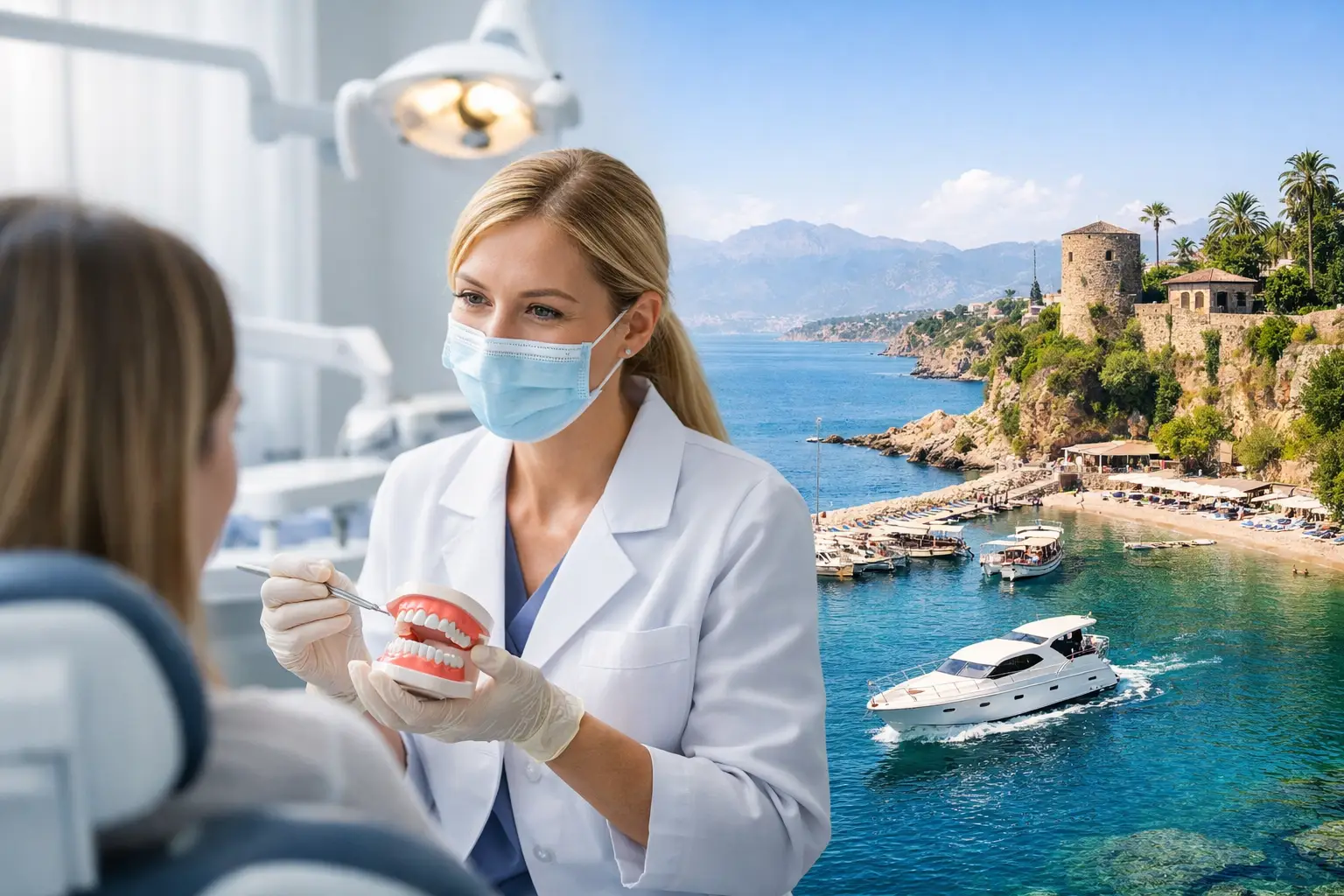
If you’re trying to work out how to choose a dentist in Turkey, the hard part is not finding clinics. It’s filtering out the noise. Every clinic looks excellent on Instagram. Every website says “award-winning”. Every coordinator tells you their dentists are experts. Most patients don’t need more marketing. They need a way to tell the difference between a well-run clinic and a sales machine with a smiley WhatsApp rep.
I’ve looked at enough Turkish dental providers to say this plainly – the wrong choice usually starts with the wrong criteria. Patients often focus on the airport transfer, the hotel, or the headline price. Those things matter, but they should be near the bottom of your list. What matters first is who is treating you, what they’re planning to do, and whether the clinic is making sensible recommendations rather than pushing the most profitable package.
How to choose a dentist in Turkey without getting sold to
Start with the treatment, not the destination. Turkey has excellent dentists, but it also has clinics that sell cosmetic work far too aggressively. If you’ve been told you need 20 crowns after sending a few photos, slow down. No serious dentist can finalise a complex treatment plan from selfies alone.
A decent clinic can give you a provisional opinion from photos and an X-ray, but there should be some uncertainty built in until you’re properly examined. If a clinic sounds overconfident before they’ve seen enough clinical information, that’s not efficiency. That’s sales.
The first question I would ask is simple: who is the dentist, and what do they actually do every day? A clinic may have a strong brand, glossy videos and hundreds of reviews, but the person doing your implants, crowns or root canal treatment matters more than the logo above the door.
Check the dentist before you check the package deal
In Turkey, some clinics are excellent because they have experienced prosthodontists, oral surgeons or cosmetic dentists handling the work they do most often. Others rely on a general dentist to do a bit of everything. That doesn’t automatically make them bad, but if you’re having full-mouth crowns, implant surgery or complex restorative work, I would want someone with a clear track record in that area.
Ask for the treating dentist’s name, not just the clinic name. Ask how long they’ve been practising, what their main area of work is, and who handles each part of your case. Implant placement and final crowns are often done by different clinicians. That’s normal. What’s not normal is a clinic being vague about who does what.
You should also pay attention to whether the clinic communicates like a healthcare provider or a travel agent. If the conversation is mostly about discounts, hotel nights and “limited-time offers”, that’s a poor sign. Good clinics talk about diagnostics, options, timelines, risks and maintenance. The commercial side should exist, but it shouldn’t dominate.
Ask to see real case evidence
Before-and-after photos can help, but they’re easy to misuse. The best evidence is a mix of clear clinical photos, X-rays where relevant, and cases that resemble yours. If you need implants, I want to see implant cases. If you’re considering veneers, I want to see conservative veneer work, not every patient being turned into bright white crowns.
Be wary of clinics that only show dramatic smile makeovers with identical shapes and shades. That often signals a production-line style. It may look good in a 10-second clip. It doesn’t tell you whether the bite was planned properly or whether healthy tooth structure was removed unnecessarily.
Price matters, but cheap usually gets expensive later
One reason people look at Turkey is cost, and fair enough. Treatment can be significantly cheaper than in the UK or Ireland. But there is a difference between fair pricing and bargain-basement pricing that makes no clinical sense.
If one clinic quotes far below the market range, ask why. It could be a seasonal offer. It could also mean cheaper materials, rushed lab work, limited diagnostics, inexperienced clinicians, or aggressive upselling once you arrive. The cheapest initial quote is not always the cheapest final bill.
I would also avoid choosing a clinic purely because it offers an all-inclusive package. Transfers and hotels are convenient, but they are not signs of quality. Some very good clinics offer them. Some very average ones use them to distract from the treatment side. A nice hotel does not improve crown fit.
Ask what the quote actually includes
This is where many patients get caught out. A clinic may quote for implants but not include abutments, temporary teeth, bone grafting, sinus lift procedures, sedation, CT scans, or the final brand of implant being used. With crowns and veneers, ask whether the quote includes temporary restorations, revisions, and any root canal treatment that becomes necessary.
You also need to know the material. “Zirconium” gets used as a catch-all phrase in dental tourism marketing, often without much detail. Ask what type of restoration is being used, which lab makes it, and why that material suits your case. If the answer is vague, I would be cautious.
Reviews are useful, but only if you read them properly
Patients often overvalue star ratings. A clinic with 4.9 stars is not automatically better than one with 4.6. You need to read the content of the reviews, not just count them.
Look for patterns. Do reviewers mention the same dentist by name? Do they mention aftercare, not just airport pickup? Are there comments from patients six months or a year later? That’s more useful than 50 reviews posted in one month saying the staff were lovely and the clinic was spotless.
I also pay attention to complaints. Every busy clinic will get some negative feedback. What matters is the type of complaint. A delayed transfer is annoying but not serious. Repeated mentions of failed work, poor communication after payment, pressure to accept more treatment, or refusal to address complications are much more concerning.
Red flags I wouldn’t ignore
Some warning signs come up again and again in Turkish dental tourism.
If a clinic recommends crowns on healthy teeth when more conservative treatment might work, that’s a red flag. If they promise a full smile makeover in two days without discussing bite, gum health or long-term maintenance, that’s a red flag too. If they avoid giving the treating dentist’s name, won’t specify materials, or pressure you to book quickly with a deposit, I would walk away.
Another one is overpromising on implants. Not everyone is suitable for immediate loading or same-trip final teeth. Sometimes a staged approach is safer. If a clinic presents every case as fast and easy, they’re either simplifying too much or telling you what you want to hear.
Pay attention to the consultation process
A good remote consultation is structured. The clinic should ask for clear photos, ideally an X-ray or panoramic scan, and your dental history. They should ask about gum disease, smoking, grinding, missing teeth, pain, previous root canal treatment and your expectations. If none of that comes up and you get an instant plan anyway, that’s not proper assessment.
The best clinics are often a bit more careful at the start. Ironically, that can make them seem less slick. I trust that more than instant certainty.
Practical questions to ask before you book
When you’re narrowing down options, ask direct questions and see whether you get direct answers. Who will treat me? What exactly is being recommended and why? What alternatives are there? What materials and implant brands do you use? How many visits will I need? What happens if something changes after examination? What aftercare is provided if I have a problem once I’m home?
The aftercare question matters more than most patients realise. Even excellent work can need an adjustment. A crown may need minor bite correction. A temporary may loosen. An implant case may require coordination with a local dentist for hygiene reviews. If a clinic acts as if aftercare is irrelevant because their work is perfect, that tells me they don’t live in the real world.
You should also think about your own case honestly. If you have extensive dental disease, unstable gums, or you’ve been avoiding treatment for years, the fastest cosmetic option may not be the right one. Sometimes the best clinic is the one that tells you to do less now and stabilise things first.
Choosing the right clinic is partly about fit
Not every good clinic is right for every patient. Some are stronger on implants. Some are better for conservative cosmetic work. Some are set up well for nervous patients, while others run at a higher volume and move quickly. It depends on what you need, how complex your case is, and how much support you want during the process.
If you’re comparing providers, use the same lens for all of them. Ignore the fluff. Compare the dentist, the plan, the materials, the transparency and the willingness to answer awkward questions. That’s the real shortlist.
At Dental Guide Turkey, that’s the difference I try to make clear. The clinics worth considering are not always the loudest ones. They’re usually the ones that can explain their work calmly, price it clearly and tell you when a treatment idea is a bad one.
If a clinic makes you feel rushed, dazzled or slightly confused, keep looking. The right dentist in Turkey should make the decision feel clearer, not harder.