
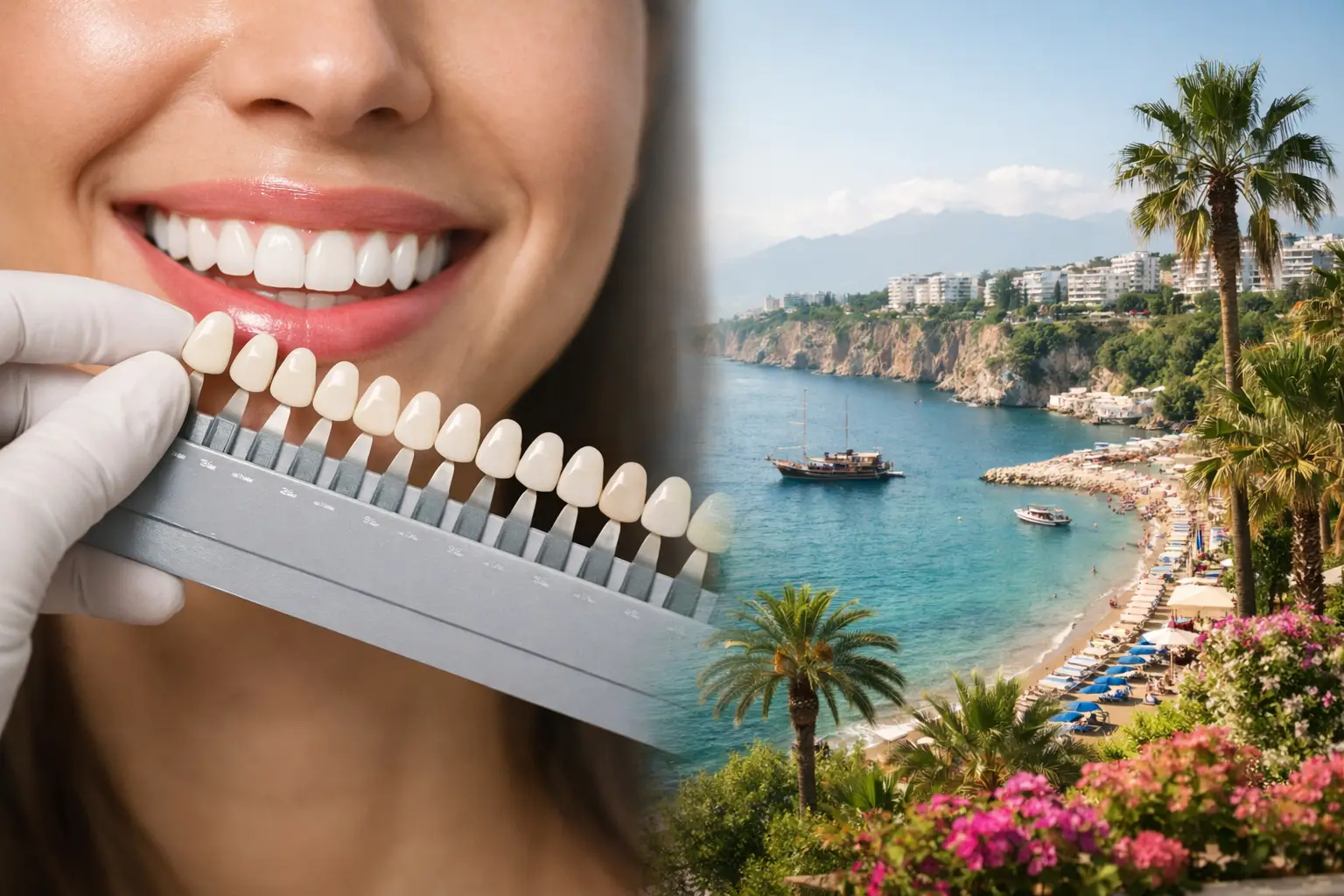
If you’re asking how many days in Turkey for veneers, the honest answer is usually 5 to 7 days for straightforward cases. That is the typical window for consultation, tooth preparation, lab work, fitting and final adjustments. But I would not treat that as a fixed rule, because some clinics advertise veneer treatment in 3 days and, frankly, that is where I start getting sceptical.
Veneers are not just a cosmetic purchase. They involve clinical planning, bite assessment, preparation technique and laboratory quality. If a clinic is rushing any of those steps to fit your flight home, you are the one taking the long-term risk.
How many days in Turkey for veneers is normal?
For most international patients, I see two realistic timelines.
The first is 5 to 7 days, which is the standard for a simple veneer case with no major complications. You arrive, have your scans and consultation, the dentist prepares the teeth if needed, impressions or digital scans go to the lab, the veneers are made, and then they are fitted and adjusted.
The second is 7 to 10 days, which is more sensible if you want a bit of breathing room or if your case is more complex. That extra time matters more than many patients realise. It gives the clinic space to check the fit properly, make refinements, and avoid cementing veneers that look good in photos but feel wrong in your mouth.
If a clinic tells you they can do a full veneer case in 48 to 72 hours, I would ask a lot of questions. Sometimes they are using an in-house lab and your case is genuinely simple. More often, they are compressing the process because speed sells.
What actually happens over those days?
A proper veneer trip is not one long appointment. It usually happens in stages.
Day 1: Consultation and planning
This should include X-rays, photographs, possibly a 3D scan, and a proper conversation about what you want. Not just “Hollywood smile” pasted onto every patient. A decent dentist will look at your bite, gum health, enamel condition and whether veneers are even the right option.
If a clinic skips over this and pushes straight to shaving teeth, that is a bad sign.
Day 2: Preparation and impressions
If you are having porcelain veneers, the dentist may need to remove a small amount of enamel. In some cases, minimal-prep or no-prep veneers are possible, but they are not suitable for everyone. Anyone promising no-prep for every case is selling, not diagnosing.
After preparation, the clinic takes impressions or digital scans. Temporary veneers may be fitted depending on the plan.
Days 3 to 4: Lab fabrication
This is the part patients underestimate. Veneers are only as good as the lab making them. A skilled lab can produce natural-looking restorations with the right shape, translucency and fit. A cheap fast-turnaround lab can produce bulky, opaque veneers that look fake and irritate the gums.
This stage is why very short trips can be a problem.
Days 5 to 7: Try-in, fitting and adjustments
Before final bonding, there should be a try-in. This lets the dentist check fit, appearance and bite. Minor adjustments are common. That is normal. What is not normal is being rushed into approving a smile in five minutes because your airport transfer is waiting downstairs.
When you may need more than a week
Some patients can be in and out in under a week. Others should plan for longer.
You may need 7 to 10 days or more if you have gum inflammation, require root canal treatment first, need old crowns or composite bonding removed, or have a complex bite. The same applies if you are having a larger number of veneers and want a more customised aesthetic result.
I would also add extra time if you are a nervous patient or if this is your first major cosmetic dental treatment. Rushed decisions tend to become expensive regrets.
The type of veneer affects the timeline
Not all veneers are the same, and the material matters.
Composite veneers can sometimes be completed faster, occasionally in a single visit or over a couple of days. They are cheaper and quicker, but they do not usually last as long as porcelain and they stain more easily. For some patients, they are a reasonable choice. For others, they are a false economy.
Porcelain veneers usually require more time because they are lab-made. That extra time is often worth it. Good porcelain veneers tend to look better, last longer and resist staining better than composite.
So if you are trying to work out how many days in Turkey for veneers, ask first what type of veneers you are actually getting. Some clinics are deliberately vague about that.
Why I don’t recommend booking the shortest possible trip
A lot of dental tourists make the same mistake. They try to minimise hotel nights and time off work, then choose the shortest package they can find.
I understand the logic, but I do not think it is smart with veneers. Cosmetic dentistry is highly technique-sensitive. Small problems with fit, bite or gum contour might not show up in the first hour. They often become obvious after a day or two of speaking and eating.
That is why I usually tell patients to leave at least one buffer day after the planned fitting. If anything needs adjusting, you want that done before you fly home, not over WhatsApp from Manchester or Dublin.
Red flags when a clinic talks about veneer timelines
This is where experience matters. I have seen too many clinics market veneer holidays like they are selling airport lounge access.
Be careful if a clinic promises all of the following at once: very low prices, full mouth veneers, no consultation fees, guaranteed perfect smile, and completion in 3 days. That combination usually means corners are being cut somewhere.
Other warning signs include vague answers about the lab, no mention of bite checks, pressure to commit before your assessment, and treatment plans based only on selfies. I would also be wary if the clinic seems more interested in your flight dates than your dental condition.
Fast is not automatically bad. But fast and cheap and one-size-fits-all usually is.
A realistic travel plan for veneers in Turkey
If I were planning a veneer trip, I would allow 6 to 8 days in Turkey as a practical baseline. That gives enough time for the main appointments plus a margin for small delays or adjustments.
I would avoid booking a late-night arrival followed by an early morning dental appointment. I would also avoid flying home the same day the veneers are bonded. You want time to test how they feel, especially your bite.
If your clinic is in Istanbul, Antalya or Izmir, travel logistics are usually straightforward. Even so, I would still keep one spare day if your budget allows. It is a small cost compared with the hassle of needing corrective work back home.
Questions to ask before you book
The timeline matters, but the better question is whether the timeline is clinically sensible for your case.
Ask the clinic how many appointments you will have, whether the veneers are composite or porcelain, whether they use an in-house or external lab, and what happens if adjustments are needed before you leave. Ask whether temporary veneers are included and whether your gums need to be healthy before treatment starts.
And ask the simplest question of all: if my case turns out to be more complicated than expected, will you recommend extending the stay rather than rushing the result? A serious clinic will say yes.
At Dental Guide Turkey, this is the kind of detail I think patients should be given upfront, not after they have paid a deposit.
The short answer
Most patients need 5 to 7 days in Turkey for veneers. If you want a safer margin, especially for porcelain veneers or more complex work, 7 to 10 days is better. I would be cautious about anything shorter unless the clinic can explain exactly how the process works and why that timeline is appropriate.
Veneers can look excellent in Turkey, often for far less than in the UK. But they should never be treated like a quick weekend beauty treatment. If a clinic is pushing speed above planning, I would walk away. Your teeth have to live with the result long after the trip ends.
If you’re unsure, give yourself more time, not less. The best veneer trips are not the fastest ones. They are the ones where nothing feels rushed.