
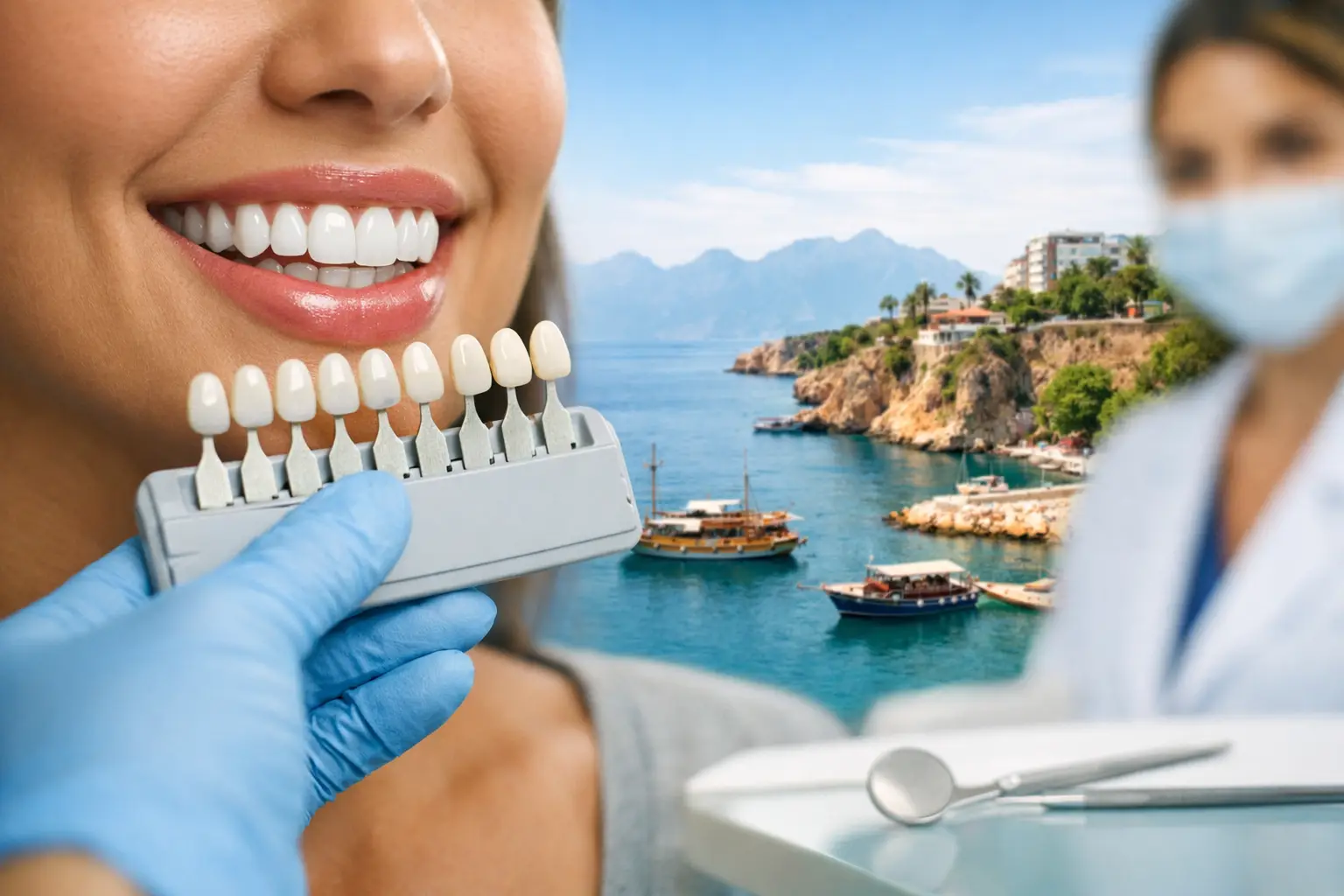
A cheap veneer deal can go wrong fast when the treatment plan is wrong. That is the real answer to the question, are veneers in Turkey safe? They can be, absolutely. But veneers are only safe when the clinic is selective about who should have them, conservative with tooth preparation, and honest about limitations. A lot of clinics are not.
I have seen excellent veneer work in Turkey, and I have also seen healthy teeth ground down into crowns for patients who asked for “veneers”. Those are not the same thing. If you are researching treatment in Turkey, that distinction matters more than the country.
Are veneers in Turkey safe if you choose carefully?
Yes, veneers in Turkey can be safe. Turkey has highly skilled cosmetic dentists, modern labs and clinics that do very good work for international patients every week. The problem is not that veneer treatment in Turkey is inherently risky. The problem is that the market is crowded, heavily advertised, and full of clinics selling fast smile makeovers to people who do not know what proper veneer treatment should look like.
That creates two very different patient experiences. In one, you get a proper assessment, digital planning, minimal tooth reduction and veneers that suit your bite and face. In the other, you get a package deal, a rushed consultation and a dentist preparing far too much tooth structure because it is quicker to force the result than plan it properly.
If a clinic treats veneers like a cosmetic commodity, I would be cautious. Veneers are not lashes or filler. They are irreversible dentistry.
What actually makes veneer treatment safe?
Safety starts with diagnosis, not the final photo. A safe veneer case means the dentist has checked your gums, bite, enamel quality, grinding habits and expectations. If you have active gum disease, untreated decay, severe clenching or badly aligned teeth, veneers may not be the first step.
I would expect a good clinic to explain whether you need composite bonding, whitening, orthodontics, crowns or no treatment at all. That is a very good sign. Clinics that recommend veneers for everyone are usually solving sales targets, not dental problems.
The second part is tooth preparation. Proper porcelain veneers usually need little or no reduction in some cases, though it depends on the shape and position of the teeth. What should worry you is aggressive shaving done to create very white, very bulky “Hollywood smile” results. Once too much enamel is removed, there is no undo button.
Material and lab quality matter too. Well-made veneers should fit accurately, look natural under light and function properly when you bite. Poorly made veneers can trap plaque, irritate gums and chip more easily. That is not unique to Turkey, but high-volume tourist clinics can be more prone to rushing this stage.
The biggest risk in Turkey is not veneers – it is mis-selling
This is the part many glossy clinic websites skip. The main risk is not that Turkish dentists are unsafe. It is that some clinics advertise veneers and then deliver crowns because crowns are easier to standardise in a short treatment window.
A veneer covers the front surface of the tooth. A crown covers the whole tooth. Crowns have a place, but they are more invasive. If your teeth are healthy and you have been told you need 20 crowns for a cosmetic change, I would question that very hard.
Some patients do not realise what has happened until later, when sensitivity starts or they need replacements earlier than expected. If the clinic uses vague language like “laminate veneers”, “E-max smile design” or “cosmetic caps” without clearly stating how much tooth reduction is involved, ask for specifics. Better yet, ask for photographs of similar cases before and after preparation, not just after treatment.
Red flags I would not ignore
A safe clinic usually welcomes detailed questions. An unsafe one tries to move you towards a deposit.
If I were screening a provider, I would be wary of very low prices that seem detached from reality, guarantees that sound too broad, and treatment plans offered from a few selfies alone. Veneers can sometimes be pre-assessed remotely, but no serious dentist should promise a final plan without examining your mouth properly.
Another red flag is a clinic pushing large numbers of veneers as standard. Not everyone needs 16 or 20 units. Some people need six. Some need none. Uniform package pricing often leads to uniform treatment, and mouths are not uniform.
Watch out for clinics whose social media is full of fluorescent white, oversized teeth with no close-up gum shots or long-term follow-up. That style can photograph well on day one and look poor in real life. Natural shape, margins and bite are what matter.
Finally, if the coordinator cannot answer basic questions about who does the prep work, what material is being used, how many visits are needed and what happens if the bite feels wrong, that tells me plenty.
How to check whether a clinic is safe
You do not need to be a dentist, but you do need to be a sceptical patient.
Ask what type of restoration is being recommended and why. Ask how much enamel reduction is expected. Ask whether the dentist can show cases similar to yours, including side views and close-ups. Ask what happens if, after assessment in person, veneers are not the right option. The best answer is not “we always find a solution”. The best answer is “then we will tell you”.
I would also ask who actually makes the veneers – in-house lab or external lab – and how the bite is checked before fitting. If you grind your teeth, ask whether a night guard is included and whether veneers are even sensible for you.
Reviews help, but read them intelligently. A review saying “staff were lovely and hotel was nice” tells you almost nothing about dentistry. Look for comments about fit, comfort, natural appearance, aftercare and how the clinic handled problems.
If you want a second layer of filtering, an editorial resource such as Dental Guide Turkey can help you compare claims before you commit. Just do not outsource your judgement entirely.
Are cheap veneers in Turkey safe?
Usually, the cheaper the veneer package, the more careful I become. Cheap does not always mean unsafe, but very cheap usually means something is being cut – time, lab quality, diagnostics, aftercare or tooth preservation.
Turkey is cheaper than the UK for several legitimate reasons, including lower overheads and a competitive market. That does not mean every bargain is smart. If a price looks dramatically lower than the rest of the market, I would assume there is a reason.
A realistic veneer quote should reflect consultation, scans or imaging if needed, temporary restorations where appropriate, quality materials, lab work and review appointments. If all you are buying is a transformation photo, you may be paying for a problem later.
Who is a good candidate for veneers in Turkey?
The safest veneer patients are those with generally healthy teeth and gums, realistic expectations and cosmetic issues that veneers are actually designed to fix – things like worn edges, mild spacing, shape discrepancies or stubborn discolouration.
If your teeth are very crooked, heavily restored, structurally weak or you have active grinding, veneers may not be the best answer. You might need orthodontics first, or a different restorative plan altogether. A clinic that says no, not yet, is often giving you the safest advice in the room.
This is where some patients get frustrated. They want a fast cosmetic fix during one trip. I understand that. But good dentistry is not always built around your flight dates.
The bottom line on safety
So, are veneers in Turkey safe? Yes – in the right hands, for the right patient, with the right treatment plan. No – if you are being sold crowns as veneers, rushed into treatment, or lured by a price that only works because corners are being cut.
I would not avoid Turkey. I would avoid clinics that treat irreversible dentistry like a holiday add-on. If you take your time, ask blunt questions and walk away from anything that feels vague or pushy, your odds improve dramatically.
The smartest move is not finding the cheapest veneer deal. It is finding the clinic that is willing to tell you when veneers are a bad idea.