
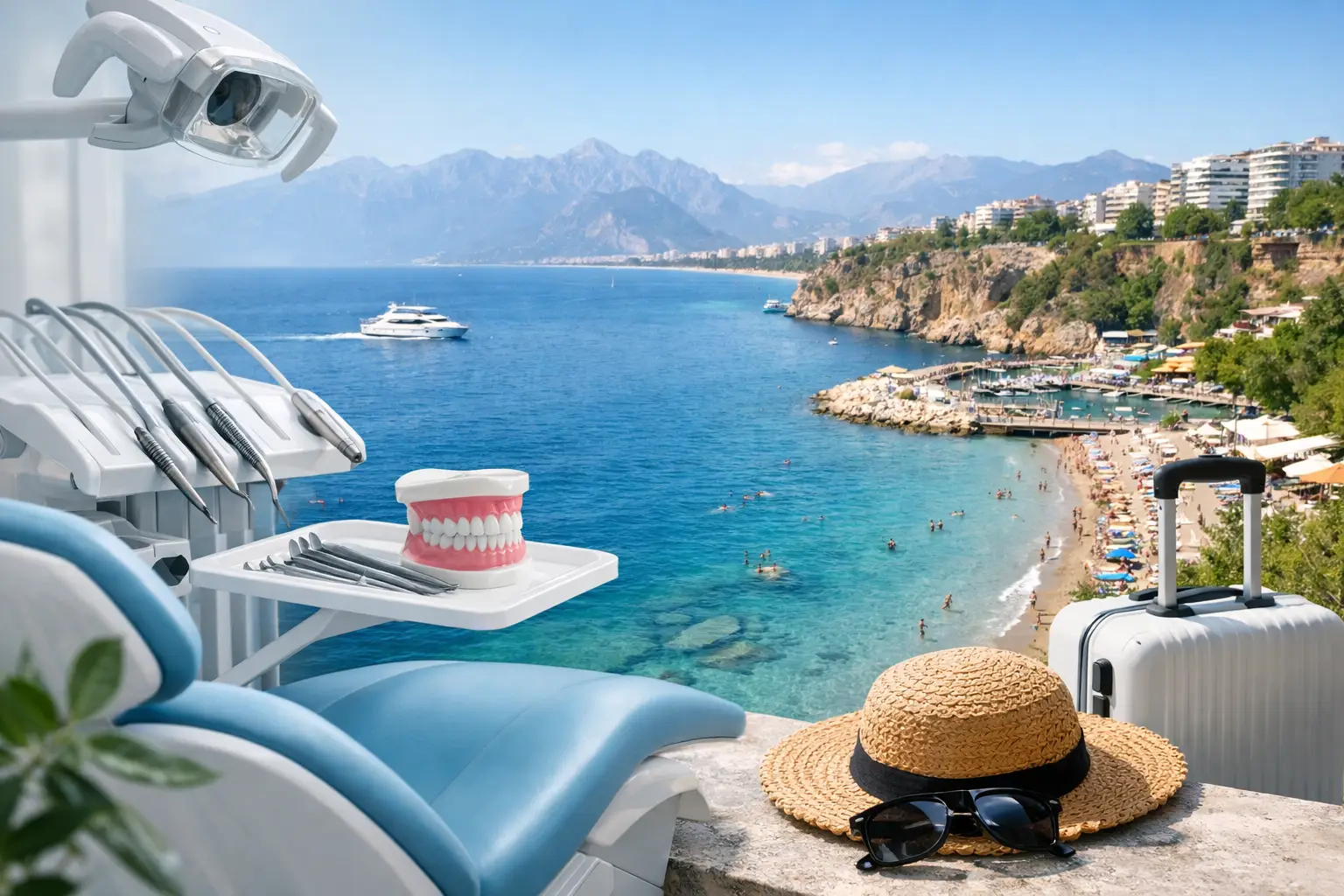
If you are looking for a Turkey dental tourism guide, you probably already know the headline claim: treatment can cost far less than in the UK. What most people still struggle with is working out whether the saving is real, which clinics are worth shortlisting, and when a cheap quote turns into an expensive mistake. That is where the research matters.
I have read enough treatment plans, clinic promises and patient complaints to say this plainly: Turkey can be an excellent place for dental work, but it is not automatically a bargain and it is definitely not risk-free. The best outcomes usually go to patients who treat this like private healthcare research, not a last-minute holiday purchase.
Why people choose Turkey for dental treatment
The cost gap is the obvious reason. Private dentistry in the UK is expensive, especially for implants, crowns, full-mouth rehabilitation and cosmetic work. In Turkey, lower operating costs and intense competition mean clinics can often charge much less while still using recognised implant systems, digital scanning and in-house labs.
But price is only half the story. Turkey also has a large number of clinics set up specifically for international patients. That means English-speaking co-ordinators, airport transfers, hotel packages and tighter scheduling than many patients are used to at home. If you need multiple appointments organised over a few days, that convenience has real value.
The catch is that convenience can hide weak clinical planning. A smooth airport pickup tells you nothing about prep quality, sterilisation standards or whether you actually need 20 crowns.
The biggest mistake patients make
The biggest mistake is shopping by Instagram smile and headline price alone. If a clinic is leading with luxury cars, rooftop videos and unbelievably low package deals, I would slow down. Good dentistry is usually a bit more boring than that. The important things are diagnostics, case selection, the dentist’s track record and whether the treatment plan makes sense for your teeth.
A second common mistake is agreeing to aggressive cosmetic work because it sounds quick. I see this most often with full sets of crowns sold to patients who might have been better served by orthodontics, whitening, composite bonding or a more conservative plan. Once healthy tooth structure is removed, you do not get it back.
A practical Turkey dental tourism guide to choosing a clinic
Start with the treatment, not the destination. Decide what you actually need before you compare clinics. An implant case, a few zirconia crowns and a full-mouth cosmetic rebuild are completely different categories of dentistry, with different skill requirements and risks.
Then ask for a written treatment plan based on clear recent scans or X-rays. If a clinic is willing to promise exact work and exact pricing from a few blurred selfies, I would treat that as a red flag. Sensible clinics give estimates first and confirm once they examine you properly.
Look closely at who is doing the dentistry. I want to know whether there is a named dentist or specialist attached to the case, how long they have been practising, and whether complex treatments are actually performed in-house. Some clinics market heavily but outsource parts of care or rely too much on sales staff.
You should also ask what materials and systems are being used. “German implants” and “premium crowns” are not meaningful answers on their own. Brand names, lab details and warranty terms matter. So does the clinic’s willingness to explain why one option is being recommended over another.
What treatment in Turkey really costs
Prices vary a lot by city, clinic reputation, materials and complexity. That is why fixed online figures can be misleading. As a rough guide, single implants, zirconia crowns, veneers and all-on-4 style treatments are still usually priced below equivalent private UK treatment, sometimes by a large margin.
What patients often miss is the total trip cost. Flights, hotel stays, local transport, repeat visits, aftercare at home and lost work time all count. If your case needs two phases six months apart, the quote is not the whole bill.
I would also budget for changes after your in-person assessment. Bone loss, gum disease, failed root canals or poor existing dental work can all alter the plan. A trustworthy clinic will explain why that changes the cost. A bad one uses it as a pressure tactic once you have already flown in.
Which treatments work best for dental tourism
Some treatments fit dental tourism better than others. Implants can work very well, especially when the clinic is experienced and the case has been planned properly. Crowns and veneers can also be done successfully, but they require very careful preparation, bite assessment and shade planning. Rushed cosmetic work is where I see some of the worst decisions.
Simple restorative care, hygiene work and fillings are usually not worth flying abroad for unless they are part of a larger plan. Orthodontics is more complicated because it requires long-term monitoring. You can start aligner treatment in Turkey, but you need a realistic aftercare plan where you live.
If a clinic tries to fit every patient into the same cosmetic package, that is not efficiency. It is a sales model.
Travel, timing and how long to stay
Most patients underestimate timing. Even when treatment itself is straightforward, your mouth needs time to settle, especially after extractions, implant placement or large numbers of crowns. I am sceptical of ultra-compressed schedules where major work is completed in a couple of days with no room for adjustments.
For crowns or veneers, many clinics work on a five to seven day schedule. For implants, you may need one trip for placement and a second later for final restorations, depending on healing and the type of case. Full-mouth treatments often need more time than the marketing suggests.
Do not book your return flight too tightly around the final appointment. You want breathing room in case of bite adjustments, sensitivity, swelling or a delayed lab stage. That extra day can save a lot of stress.
Red flags I would not ignore
Some warning signs come up again and again. A clinic that pushes treatment before seeing proper diagnostics is one. A co-ordinator who cannot answer basic questions about materials, timelines or dentist involvement is another.
I would also be wary of clinics that recommend large numbers of crowns for relatively healthy teeth, dismiss every alternative option, or pressure you to pay a deposit immediately to secure a “today only” price. Serious medical treatment should not be sold like airport perfume.
Another red flag is vague aftercare. Things can go wrong even with good dentistry. What matters is how problems are handled. If the answer is basically “come back to Turkey” with no nuance, that is not enough. You need to know what support exists, what is covered, and what happens if an issue appears once you are home.
What happens when you get home
This is the least glamorous part of any Turkey dental tourism guide, but it matters more than the airport transfer. Aftercare is where good planning shows. If you have implants, crowns or extensive restorative work, you may need reviews, hygiene visits, bite checks or treatment of complications in the UK.
Not every local dentist is keen to take over another clinic’s work, especially if records are incomplete or the treatment was aggressive to begin with. Ask for your scans, treatment notes, implant passport details and material information before you leave Turkey. You may need them later.
It also helps to be realistic about guarantees. A warranty sounds reassuring, but if claiming on it means another flight, more hotel costs and time off work, its practical value is limited. I would rather see a clinic with clear communication and sensible planning than a flashy lifetime promise.
Is Turkey worth it?
Yes, for the right patient and the right clinic. If you need expensive private treatment, are comfortable doing proper due diligence, and understand that cheaper does not mean simple, Turkey can make financial and clinical sense. If you are looking for the fastest possible smile at the lowest possible price, you are exactly the kind of patient bad clinics target.
My advice is blunt because it needs to be. Be suspicious of plans that sound too neat, too fast or too universal. Good clinics exist, and so do very poor ones. The difference is rarely the marketing. It is in the diagnostics, the restraint, and whether the clinic is willing to tell you that the most profitable option is not the best one for your mouth.
If you keep that standard in mind, you will make far better decisions than most patients who start this process with a quote and a dream smile photo.