
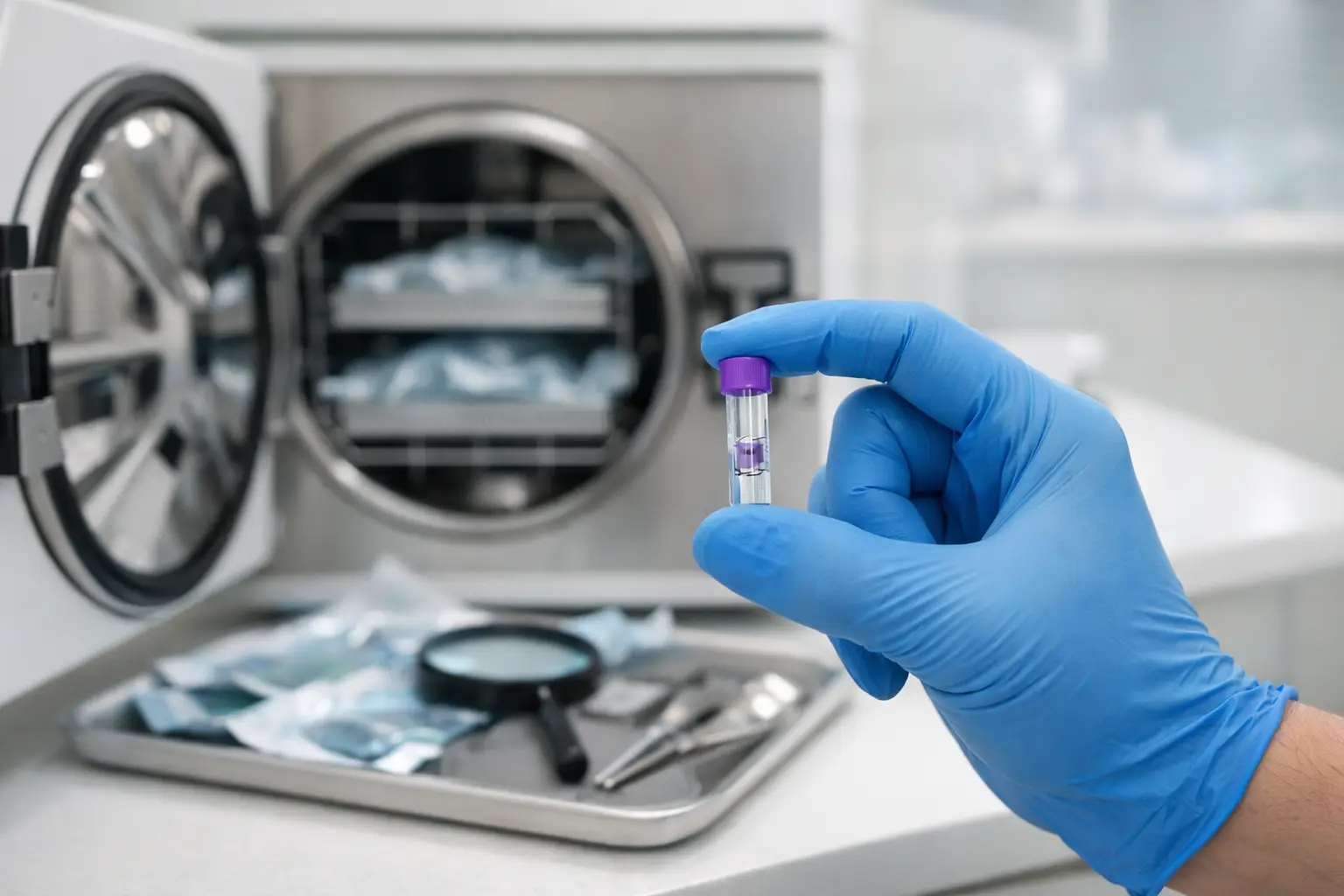
If a clinic can sell you veneers in ten WhatsApps but gets vague when you ask about sterilisation, that tells me a lot. For anyone researching dental treatment abroad, knowing how to verify clinic sterilisation is not a minor detail – it is one of the clearest ways to separate a serious medical provider from a glossy sales operation.
Most patients look at before-and-after photos first. I get why. But infection control matters far more than social media polish, and it is one of the few areas where a bad clinic can hide behind nice interiors and good English-speaking coordinators. You are not being difficult by asking hard questions here. You are doing basic risk management.
Why sterilisation deserves more attention
In dentistry, instruments come into contact with blood, saliva and tissue. That means proper decontamination is not optional, and it is not something a clinic can improvise on a busy day. A well-run clinic has a repeatable process, trained staff, records, and equipment checks. A weak clinic tends to rely on reassuring language like “everything is sterile” without showing how that is actually managed.
This matters even more if you are travelling to Turkey for treatment because you are making decisions remotely. You may only see the clinic in person after you have booked flights and paid a deposit. By then, many patients feel committed. I would rather you ask awkward questions early than try to assess infection control from the waiting room after landing in Istanbul or Antalya.
How to verify clinic sterilisation before you book
Start by asking for specifics, not promises. Any clinic can say it follows hygiene protocols. What you want is evidence of a system.
Ask the clinic how reusable instruments are cleaned, packaged and sterilised between patients. If the answer is vague, overly simplified, or clearly written by a salesperson who does not understand the process, take that seriously. A credible answer usually mentions cleaning, packaging in sterilisation pouches, autoclaving, and traceability.
Ask whether they use an autoclave and, if so, what class. In practical terms, many dental clinics use Class B autoclaves because they are designed for wrapped, hollow and more complex instruments. You do not need to become an engineer here, but I would be cautious if a clinic cannot tell you what machine it uses or acts irritated that you asked.
Then ask how they verify that sterilisation cycles are working. A proper answer should mention routine monitoring, usually with physical cycle records and periodic chemical or biological indicators. If they tell you that the machine “cleans everything automatically” and leave it there, that is not good enough.
The records a serious clinic should have
Sterilisation is not just about owning equipment. It is about proving that the equipment works consistently.
A well-run clinic should be able to tell you whether it keeps sterilisation logs for each cycle. These records typically show time, temperature and pressure, depending on the machine. Many clinics also label sterile packs with dates or batch information so instruments can be traced back to a specific cycle. That matters because if there is a problem, traceability shows the clinic has control over its process.
You can also ask whether they use chemical indicators inside or outside sterilisation pouches and whether they carry out biological spore testing at scheduled intervals. Not every patient needs to ask for test certificates in advance, but the clinic should at least understand the question and answer it without hesitation.
If you are already on site, ask to see how instruments are packaged. Properly sterilised instruments are usually sealed in intact pouches until they are opened in front of you. If instruments are loose on a tray before treatment starts, I want a very good explanation.
What to look for during a clinic visit
When you visit in person, pay attention to behaviour, not just décor. Fancy reception areas prove nothing.
Look at whether staff change gloves appropriately and whether surfaces are cleaned between patients. Watch if instruments arrive in sealed packs. Notice whether disposable items are actually single-use. A clinic that cuts corners in visible areas may be doing the same in the back room.
If you can glimpse the decontamination area, it should look organised rather than chaotic. Clean and dirty instruments should not be mixed. Packaging materials, ultrasonic cleaners and autoclaves should appear part of a defined workflow, not an afterthought shoved into a side room.
I also pay attention to how the team reacts to questions. Good clinics are used to being asked about hygiene. Poor clinics often become defensive, dismissive or strangely performative. There is a difference between confidence and irritation.
Red flags I would not ignore
Some warning signs are obvious. Others are easy to rationalise because the clinic looks modern or has lots of reviews.
A major red flag is when the clinic answers every sterilisation question with marketing language. If they talk endlessly about VIP transfers, hotel packages and celebrity smiles but cannot explain instrument processing, their priorities are clear.
Another is refusal to share even basic information. I am not saying a clinic must send you internal compliance documents on demand. But if they will not explain their sterilisation process in plain terms, I would move on.
Be wary of treatment rooms that look cluttered, open packs already sitting out, or staff touching multiple surfaces with the same gloves. None of that automatically proves unsafe practice, but it suggests a weak infection control culture.
I would also be cautious if a clinic seems to run at a frantic factory pace. High patient volume does not always mean poor standards, but pressure and shortcuts often travel together. If the entire business model looks built around speed, low prices and heavy sales follow-up, do not assume sterilisation is where they suddenly become meticulous.
Questions worth asking the clinic directly
You do not need to sound like an inspector. Keep it simple and direct.
Ask: how are instruments sterilised between patients, what type of autoclave do you use, how do you verify each cycle, are instruments opened from sealed pouches in the surgery, and who is responsible for infection control in the clinic. Those questions alone tell you a lot.
If you want to go one step further, ask whether handpieces are sterilised between patients rather than merely wiped down or surface disinfected. This is one area where some patients never think to ask, and they should. Dental handpieces need proper reprocessing too.
I would also ask whether the clinic follows written infection control protocols and whether staff receive regular training. Again, the exact wording matters less than whether the answer sounds real.
What answers should sound like
A good answer is usually boring. That is a compliment.
Serious clinics tend to describe a routine process clearly: instruments are pre-cleaned, ultrasonically cleaned if needed, dried, packed, sterilised in a Class B autoclave, labelled, stored, and opened chairside. They may mention cycle logs, indicators and scheduled maintenance. It sounds procedural because it is.
A bad answer is often too polished. “Don’t worry, everything is perfectly sterile” is reassurance, not evidence. So is “we are an international clinic” or “we treat patients from the UK every week”. Neither proves anything.
Sterilisation standards in Turkey – and the reality
Turkey has excellent dental clinics and some very poor ones. Both facts can be true at the same time.
Many reputable Turkish clinics do maintain strong infection control standards, especially those with experienced clinical leadership and a stable team. But the market also contains aggressive volume-driven operators. Some are better at marketing than medicine. That is exactly why independent checks matter.
I would not judge a clinic purely by nationality, city, or whether it is expensive. I have seen premium-priced clinics with sloppy basics and modest clinics with excellent discipline. In my experience, the difference usually comes down to management culture. Does the clinic run like a healthcare provider, or like a tourist sales desk with dental chairs attached?
If you are comparing options through Dental Guide Turkey or on your own, put sterilisation questions early in your screening, not as an afterthought once you are already emotionally sold on the smile design.
If you still feel unsure
Trust that instinct. You do not need courtroom-level proof to walk away from a clinic that feels evasive or careless.
Medical trust is built through transparency. A clinic does not have to impress you with technical jargon, but it should be able to explain its sterilisation process clearly, show signs of control, and treat your questions as reasonable. If it cannot do that before taking your money, I would not expect better once you are in the chair.
The best clinics make this easy. They answer plainly, they show you what matters, and they do not act offended when you ask how they keep patients safe. That is the standard worth holding out for.