
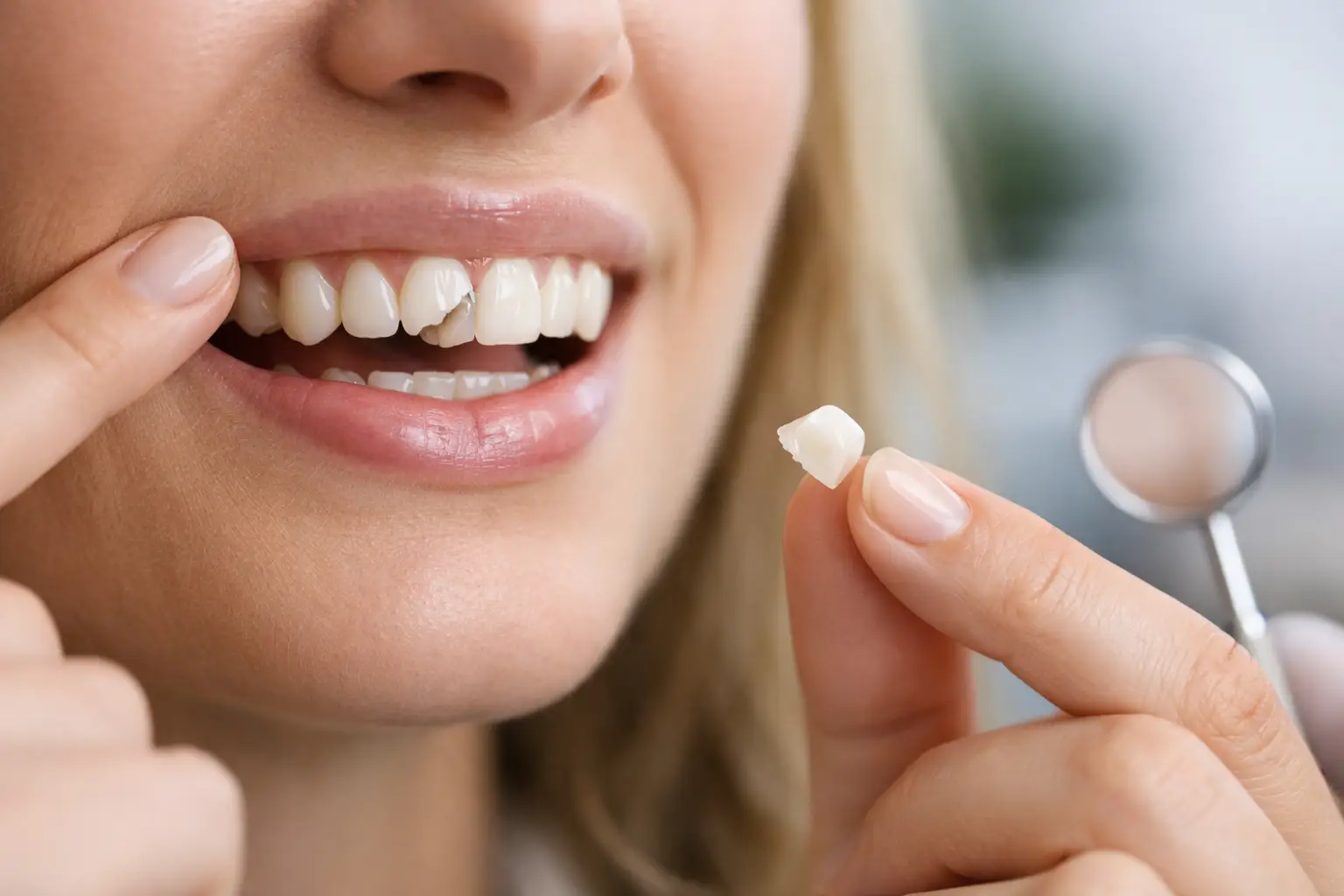
A veneer should not suddenly become a dental emergency. If it does, something has usually been missed: poor bonding, untreated decay, excessive tooth preparation, bite problems, or a clinic that treated a cosmetic case like a fast production line. When patients ask me what happens if veneers fail, they are often imagining a tooth falling out. That can happen, but the more common problems are subtler and can be more expensive to put right.
The key distinction is between a veneer failure and a cosmetic disappointment. A veneer that is slightly too white or bulky may be disappointing, but it is not necessarily medically failing. A veneer that keeps loosening, chips repeatedly, leaks at the edge, causes pain, or leaves the underlying tooth damaged is a different matter.
What happens if veneers fail?
The outcome depends on the type of veneer, how much natural tooth was removed, and why the failure occurred. Composite veneers can often be repaired directly. Porcelain veneers usually need replacing if they fracture or debond. If decay or nerve damage develops beneath a veneer, treatment becomes more involved and may include a filling, root canal treatment, crown, or, in the worst cases, extraction.
A properly planned porcelain veneer is bonded strongly to enamel. That is why I am wary of clinics that promise a full smile makeover without first explaining whether you are receiving true veneers, crowns, or a mix of both. The repair options, long-term risks, and amount of natural tooth sacrificed are not remotely the same.
A veneer that comes off intact is often the least serious scenario. A dentist may be able to clean it and bond it back on, provided the veneer fits, the tooth is sound, and there has been no change in the bite. Repeated debonding, however, is not normal. Recementing the same veneer again and again without finding the cause is a temporary patch, not a solution.
The failures that matter most
Debonding or a loose veneer
This means the bond between veneer and tooth has failed. It may happen after biting something hard, but it can also point to poor moisture control during bonding, inadequate enamel for adhesion, or an edge-to-edge bite that puts too much force on the front teeth.
If the veneer is loose, keep it safe and avoid glue from a chemist or DIY kits. Those products can damage the fit and make professional rebonding harder. A local dentist can assess whether it can be rebonded or needs replacing. If you had treatment in Turkey and have already flown home, this is exactly why a realistic aftercare plan matters more than a glossy clinic guarantee.
Chips, cracks and fractures
Porcelain is hard but not indestructible. A small chip may be polishable or repairable with composite, although the repair can show over time. A crack through the porcelain normally means replacement. If the natural tooth beneath has cracked too, the veneer may no longer be suitable and a crown could be necessary.
I would take repeated chipping seriously. It often means the bite was not designed properly, the patient grinds their teeth, or the restoration material was chosen for appearance rather than function. A night guard is not an optional upsell for someone with known grinding. It is basic protection.
Dark edges, decay and leakage
A dark line at the gum margin does not always mean decay. It can be staining, recession exposing the veneer edge, or a shadow from the tooth underneath. But it needs checking. Decay can develop where the veneer meets the tooth, especially if the margin is rough, poorly sealed, or difficult to clean.
This is one of the less photogenic risks of aggressive cosmetic dentistry. Veneers do not make a tooth immune to decay. If plaque is allowed to collect at the margins, the tooth underneath can deteriorate quietly until the veneer has to be removed. At that point, the dentist may find a small filling is enough, or they may find that the tooth now needs root canal treatment and a crown.
Sensitivity, pain or a dying nerve
Temporary sensitivity after tooth preparation can settle. Persistent sensitivity to heat, throbbing pain, pain on biting, or swelling is not something to wait out. Excessive drilling, existing cracks, untreated decay, or trauma during preparation can inflame the dental pulp. If the nerve does not recover, root canal treatment may be needed.
This is more likely where teeth have been cut heavily for crowns but sold to the patient as veneers. I have seen too many cases where a package price encouraged unnecessary full-arch crown work on otherwise restorable teeth. It may look good for a photograph, but it creates a much larger maintenance commitment for decades.
Why veneers fail in Turkish dental tourism cases
Turkey has excellent dentists and excellent laboratories. The problem is not the country. The problem is the high-volume clinic model that compresses consultation, preparation, laboratory work and fitting into a few holiday days, sometimes with little room for proper planning or adjustments.
A rushed case can fail because the bite was never properly assessed, gum disease was overlooked, or temporary restorations were skipped when they were needed. Other red flags include a clinic refusing to state how many teeth will be prepared, describing every restoration as a veneer, or offering the same twenty-tooth package to every patient before examining scans and photographs.
Material also matters, but it is not the whole story. E-max, zirconia and composite all have appropriate uses. A premium material placed badly still fails. Conversely, a well-planned composite case can be a sensible, repairable option for a patient who does not want extensive drilling.
What should you do if a veneer fails after you return home?
Book with a local dentist promptly, especially if there is pain, a sharp edge, swelling, or a missing veneer exposing a prepared tooth. Ask for an examination and X-rays where clinically needed. The immediate aim is to protect the tooth and identify the cause, not simply make the smile look normal for the next event.
Keep your records from the Turkish clinic: treatment plan, invoices, X-rays, material details, before-and-after photographs, and any written guarantee. A reputable clinic should discuss the problem and explain its position on remakes. But be realistic about the practicalities. Even where a clinic offers a free replacement restoration, flights, accommodation, time off work, and treatment by a UK dentist if you cannot travel are often not covered.
Do not let an overseas clinic pressure you into flying back before a painful or infected tooth has been assessed locally. Your health comes first. Equally, do not accept a local remake quote without asking what has actually failed. A new veneer will not solve an unaddressed bite issue or leaking margin.
Can failed veneers be prevented?
Not every failure is preventable, but many are. Before committing, I would want clear answers on how much enamel will be removed, whether each proposed tooth needs a veneer rather than a crown, how your bite and grinding risk will be assessed, and what happens if a restoration fails after you return home.
You should also ask to see the diagnostic stage. This may include photographs, scans, a wax-up or digital smile design, and a mock-up in your mouth. A mock-up is useful because it reveals whether the proposed tooth shapes feel natural before irreversible preparation starts. If a clinic wants to cut twenty teeth before you have had that conversation, I would walk away.
At home, the maintenance is ordinary but non-negotiable: brush carefully at the gum line, clean between teeth daily, attend regular check-ups, avoid using your front teeth as tools, and wear a guard if advised. Veneers can last well over a decade, but they are not fit-and-forget dentistry.
The best protection is not a lifetime warranty printed on a clinic brochure. It is conservative treatment, a dentist who plans your bite as carefully as your smile, and enough information to say no before healthy teeth are cut unnecessarily.