
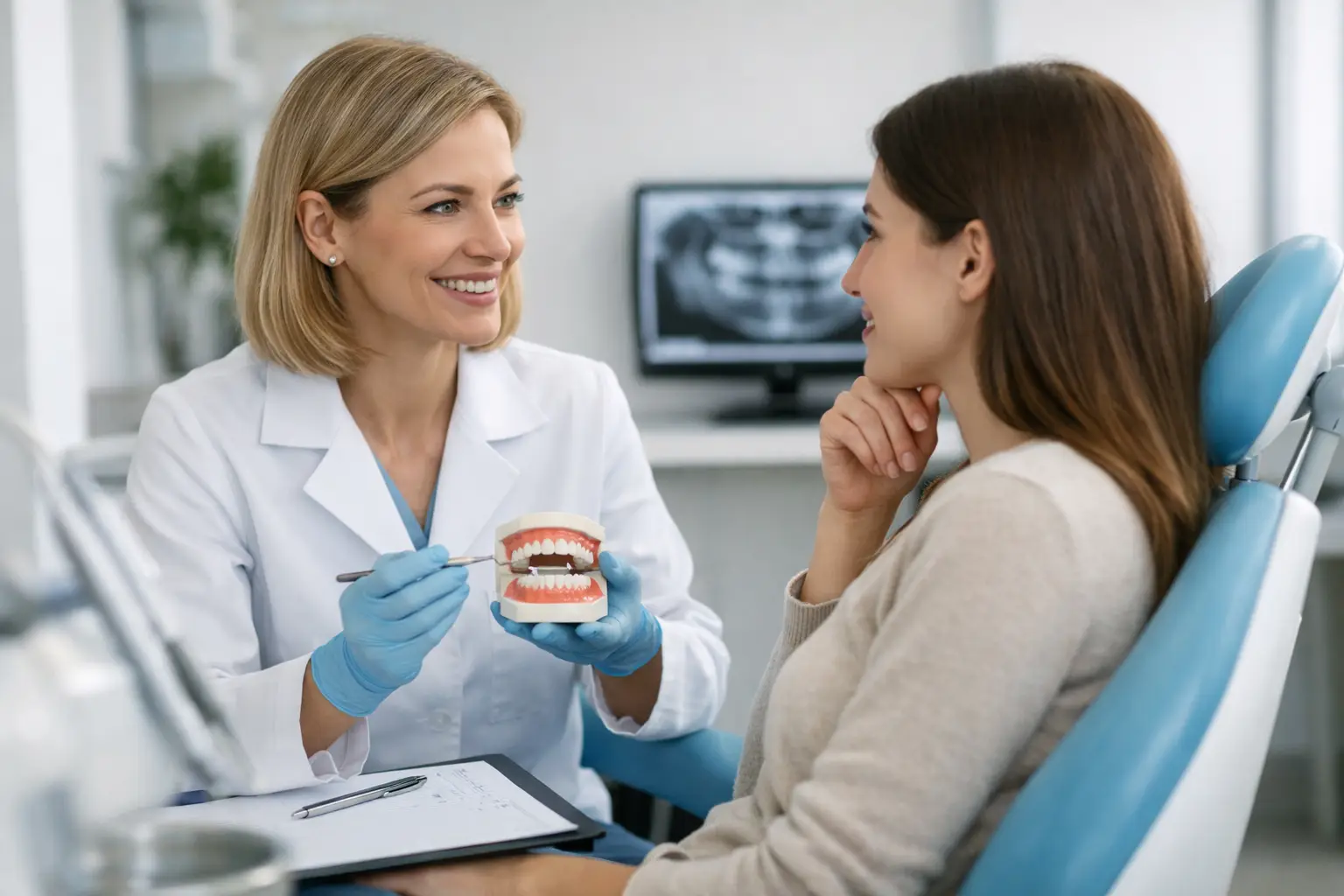
Most patients waste their consultation asking about the hotel transfer and forgetting to ask the one thing that actually matters – why this treatment plan makes sense for their mouth. If you are researching the best questions for dental consultation, that is the right instinct. A good consultation should help you test the clinic, not just let the clinic sell to you.
I have seen too many international patients arrive in Turkey with glossy WhatsApp promises, vague quotes, and no real understanding of what is about to be done to their teeth. That is how people end up with over-treatment, rushed work, and bills that somehow grow once they land. The right questions cut through that quickly.
Why the best questions for dental consultation matter
A consultation is not just a price check. It is your first chance to see whether a clinic thinks like a proper medical provider or like a sales team with a scanner. Good clinics explain options, risks, limitations, and what they still need to confirm. Bad clinics act certain before they have enough information.
That distinction matters even more in dental tourism. Many patients are speaking to a treatment co-ordinator rather than the dentist, often over WhatsApp, often after sending a few photos that are nowhere near enough for a full diagnosis. Photos can be useful, but they do not replace X-rays, a bite assessment, gum evaluation, or a proper conversation about your goals.
15 questions worth asking at your dental consultation
1. What exactly is the diagnosis?
Start here. Not “What do you recommend?” but “What exactly is wrong, and how do you know?” You want the clinic to explain whether the issue is decay, failed restorations, gum disease, bite problems, bone loss, grinding, cosmetic dissatisfaction, or a mix of these.
If they jump straight to crowns or implants without clearly stating the diagnosis, I would be cautious.
2. What are my treatment options, including the conservative one?
A serious clinic should give you more than one path where appropriate. That might mean bonding instead of veneers, root canal treatment instead of extraction, or monitoring a tooth rather than touching it immediately.
If every patient somehow needs the most expensive option, that is not a coincidence. That is a business model.
3. Why are you recommending this treatment over the alternatives?
This question forces the clinic to justify the plan. Sometimes the answer is solid – crowns may be necessary if teeth are heavily restored and structurally weak. Sometimes it exposes a weak rationale.
Listen for specifics. “Because it lasts longer” is not enough on its own. Longer than what, and in your case, why?
4. Do I need any extractions, and are they definitely necessary?
This is one of the most important questions in Turkey, especially for patients being quoted full sets of crowns, implants, or all-on systems. Teeth should not be removed just because that makes the case easier or more profitable.
Ask whether any teeth are potentially saveable and what would be required to keep them. Not every tooth can or should be saved, but the clinic should be able to explain that clearly.
5. How much healthy tooth structure will be removed?
Patients often focus on the final look and forget what has to happen first. For veneers and crowns, preparation matters. Minimal prep and full-coverage crowns are not the same thing.
If you are being sold “veneers” but the clinic is actually planning aggressive crown preparation on healthy teeth, that is a major red flag. Call it what it is.
6. Who will actually carry out each stage of treatment?
Ask whether the same dentist will assess, prepare, fit, and review your case, or whether different clinicians handle different stages. Also ask whether a specialist is involved if you need implants, root canal treatment, or gum work.
I do not think every case needs a celebrity dentist. I do think you should know who is touching your teeth.
7. What imaging and tests do you need before confirming the plan?
A proper answer may include panoramic X-ray, CBCT scan, intraoral scan, photographs, gum charting, or bite analysis. The exact mix depends on the case.
Be wary of absolute certainty before the clinic has taken proper records. A provisional plan based on photos is normal. A guaranteed final plan based on selfies is nonsense.
8. What are the risks and likely complications in my case?
This is one of the best questions for dental consultation because it tells you whether the clinic is honest. Every treatment has trade-offs. Crowns can irritate the nerve. Implants can fail. Veneers can chip. Bite changes can create jaw discomfort. Gum disease can undermine cosmetic work.
If the answer sounds risk-free, you are not getting the full picture.
9. How long should this work realistically last?
Ask for a realistic range, not a fairy tale. Good dentistry can last a long time, but nothing in the mouth lasts forever. Longevity depends on material, bite, hygiene, smoking, grinding, and the quality of the underlying treatment.
Anyone promising a fixed lifespan without caveats is oversimplifying at best.
10. What happens if you find something different once I am in the chair?
This is where hidden costs and changing plans often appear. Sometimes changes are justified. Deep decay may only become clear after removing an old filling. A tooth planned for a crown may need root canal treatment. Bone quality may affect an implant plan.
That is normal. What matters is whether the clinic has a transparent process for discussing changes before doing extra chargeable work.
11. What is included in the quote, and what is not?
Get specific. Ask whether the quote includes consultation, scans, temporaries, sedation, root canal treatment, extractions, abutments, follow-up reviews, medications, and any remake if a restoration needs adjusting.
A cheap headline quote is meaningless if half the real treatment sits outside it.
12. What guarantee or aftercare policy do you offer?
I do not put too much faith in flashy guarantee language on its own. The detail matters more than the headline. Ask what is covered, for how long, under what conditions, and what happens if you are back in the UK or Ireland when a problem starts.
A guarantee is only useful if the clinic has a workable aftercare process.
13. How many visits will I need, and what is the realistic timeline?
This matters for international patients because rushed treatment is one of the biggest weak points in dental tourism. Some work can be done in a short trip. Some cannot be compressed safely without compromise.
If a clinic claims it can do complex restorative work absurdly quickly, I would question the planning, the lab process, or both.
14. What happens if I am unhappy with the aesthetics or the bite?
Aesthetic dissatisfaction is common because patients and clinics often use words like “natural” and “white” to mean completely different things. Ask how shade, shape, size, and smile design are agreed. Ask what try-in stage exists, if any, and whether adjustments are possible before final fitting.
The same goes for bite. Teeth can look good in photos and still feel wrong in function.
15. Do you think I should get a second opinion?
This is a useful pressure test. Ethical clinics are usually comfortable with it. Pushy ones hate it. You are about to spend serious money on irreversible treatment, possibly abroad. A second opinion is not disloyal. It is sensible.
How to judge the answers you get
The quality of the answer matters more than the wording. Good answers are specific, measured, and willing to admit uncertainty. Bad answers are overly polished, overly fast, and strangely allergic to nuance.
I would trust a clinic more if it said, “We need a scan before confirming whether that tooth is saveable,” than if it said, “No problem, we can fix everything” after two mobile phone photos. Confidence is not competence.
You should also pay attention to how the clinic handles disagreement. If you ask whether crowns are really necessary and they become defensive rather than explanatory, that tells you a lot. Serious providers do not mind informed questions. Sales-led clinics do.
Questions patients in Turkey often forget to ask
The big one is who makes the final clinical decision. Many patients spend days messaging a co-ordinator and assume they have been dealing with the dentist. Sometimes they have not. There is nothing wrong with co-ordinators handling logistics, but treatment decisions need clinical input.
The other commonly missed issue is aftercare back home. If a crown feels high once you return to Manchester or Dublin, what then? If an implant site flares up two weeks later, who speaks to your local dentist? Dental Guide Turkey exists because too many sites gloss over these practical gaps and sell the easy version of treatment abroad.
Bring these questions, but use your judgement
You do not need to fire off all 15 like an interrogation script. Pick the ones that match your case and listen properly to the answers. The point is not to sound clever. The point is to avoid being rushed into irreversible treatment by a clinic that talks more smoothly than it thinks.
If a consultation leaves you clearer, calmer, and better informed, that is a good sign. If it leaves you dazzled by a bargain but still unsure what is actually being done to your teeth, step back. Your best decision usually starts with a clinic that is willing to answer awkward questions properly.